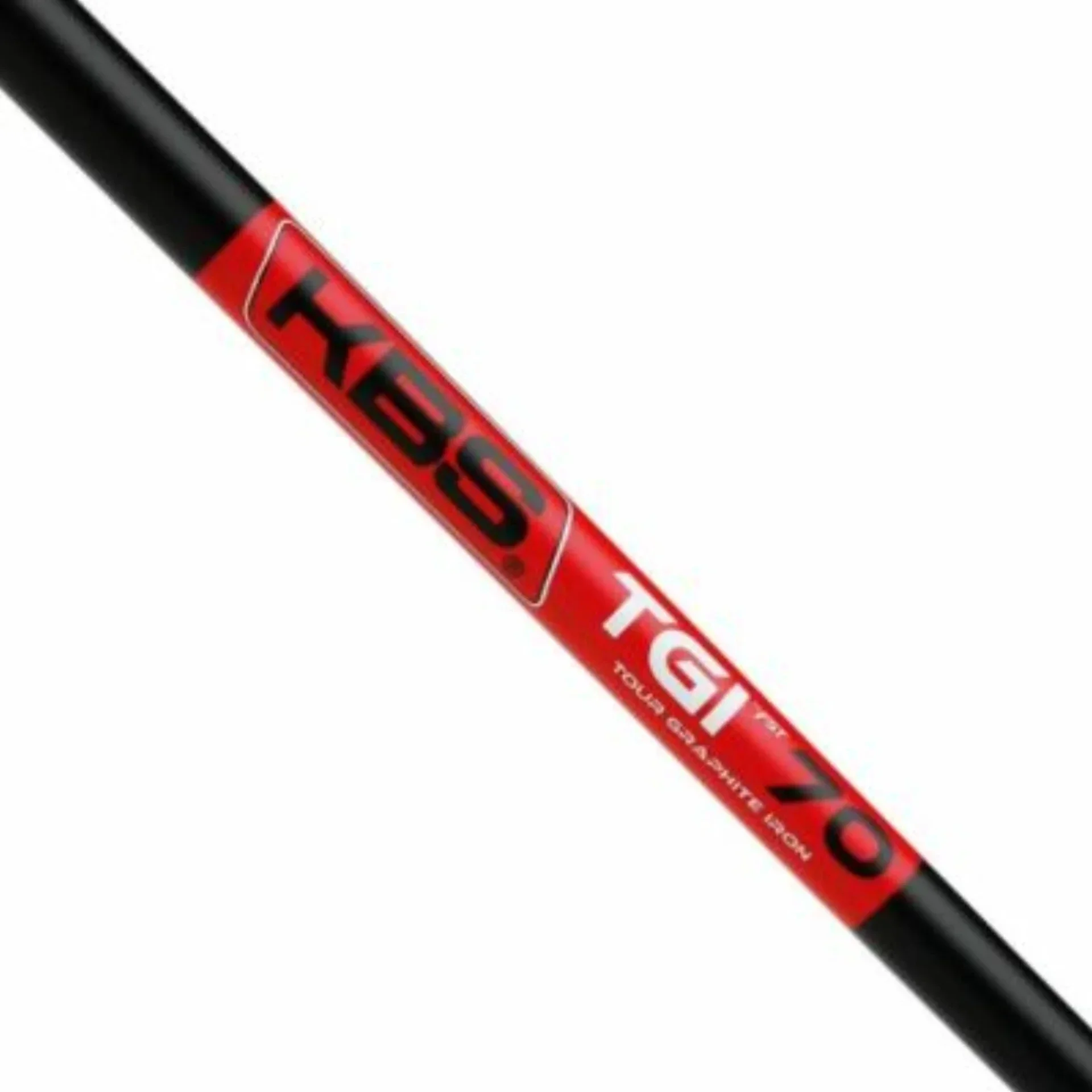
Shaft weight is one of the most critical factors in club performance, yet it's often overlooked by average golfers. The weight of your shaft directly affects swing speed, distance, accuracy, and feel. This comprehensive guide explains everything you need to know about shaft weight and how to choose the optimal weight for your game.
Understanding Shaft Weight Categories
Golf shafts are typically categorized by their weight ranges:
- Ultra Lightweight (40-50g): Designed for golfers seeking maximum swing speed, popular among seniors and beginners
- Lightweight (50-65g): Provides a balance of distance and control, suitable for most amateur golfers
- Midweight (65-80g): The most popular category, offering traditional graphite performance
- Heavyweight (80-95g): For stronger players seeking maximum stability
- Extra Heavyweight (95g+): Tour-level shafts preferred by professional players

How Shaft Weight Affects Performance
The weight of your shaft influences several key performance factors:
- Swing Speed: Lighter shafts generate higher swing speeds, potentially adding distance
- Distance: Heavier shafts typically produce lower launch and less spin
- Accuracy: Heavier shafts can provide better stability and direction control
- Feel: Weight significantly impacts the perception of the club at impact
Choosing the Right Shaft Weight
When selecting shaft weight, consider your physical strength, swing speed, and personal preferences. Getting properly fitted is the best way to find your optimal weight. A professional fitter can analyze your swing and recommend the perfect shaft weight for maximum performance.
Common Weight Mistakes
Many golfers play with shafts that are too heavy for their swing speed, resulting in lost distance and accuracy. Conversely, shafts that are too light can reduce control and cause inconsistent shots. The key is finding the right balance for your specific game.